
We don't teach music. We pass down a 530-year-old conversation. ਅਸੀਂ ਸੰਗੀਤ ਨਹੀਂ ਸਿਖਾਉਂਦੇ। ਅਸੀਂ ਸੌੌ ਸਾਲ ਪੁਰਾਣੀ ਗੱਲਬਾਤ ਅੱਗੇ ਵਧਾਉਂਦੇ ਹਾਂ।
For twenty-five years, a school in Surrey, BC has taught the music of the Shabad — the Guru Granth Sahib's own melody — to 1,200 students across 45 countries. Quiet rooms. Long hours. No microphones. ਪੰਚੀਹ ਸਾਲ, ਸਰੀ, ਬੀ.ਸੀ. ਵਿੱਚ ਇੱਕ ਸਕੂਲ ਸ਼ਬਦ ਦੀ ਸੰਗੀਤ ਸਿਖਾ ਰਿਹਾ ਹੈ — ਗੁਰੂ ਗ੍ਰੰਥ ਸਾਹਿਬ ਦੀ ਆਪਣੀ ਧੁਨ — ੪੫ ਦੇਸ਼ਾਂ ਦੇ ੧੨੦੦ ਵਿਦਿਆਰਥੀਆਂ ਨੂੰ।
Kor Institute of Music · since 2001 ਕੋਰ ਇੰਸਟੀਚਿਊਟ ਆਫ਼ ਮਿਊਜ਼ਿਕ · ੨੦੦੧ ਤੋਂ
Gurmit Kor ਗੁਰਮੀਤ ਕੋਰ
CEO & Founder ਸੀਈਓ ਅਤੇ ਸੰਸਥਾਪਕ
1,200 students later, here's what we know. ੧੨੦੦ ਵਿਦਿਆਰਥੀਆਂ ਬਾਅਦ, ਇਹ ਸਾਨੂੰ ਪਤਾ ਹੈ।
0+
Students
0
Countries
0
Instruments
0+
International Workshops
0+
Classes Per Year
0
Competitions Per Year
Four traditions. One school. ਚਾਰ ਪਰੰਪਰਾਵਾਂ। ਇੱਕ ਸਕੂਲ।
We don't teach music. We hand down a way of listening. ਅਸੀਂ ਸੰਗੀਤ ਨਹੀਂ ਸਿਖਾਉਂਦੇ। ਅਸੀਂ ਸੁਣਨ ਦਾ ਇੱਕ ਤਰੀਕਾ ਅੱਗੇ ਵਧਾਉਂਦੇ ਹਾਂ।
From the Guru Granth Sahib to Hindustani ragas to instruments you can take home. Four entry points. One lineage. ਗੁਰੂ ਗ੍ਰੰਥ ਸਾਹਿਬ ਤੋਂ ਹਿੰਦੁਸਤਾਨੀ ਰਾਗਾਂ ਤੱਕ, ਘਰ ਲੈ ਜਾਣ ਵਾਲੇ ਸਾਜ਼ਾਂ ਤੱਕ। ਚਾਰ ਦਰਵਾਜ਼ੇ। ਇੱਕ ਵੰਸ਼।
Raag · 60 melodies ਰਾਗ · ੬੦ ਧੁਨਾਂ
Gurmat Sangeet ਗੁਰਮਤ ਸੰਗੀਤ
When speaking about Gurmat Sangeet, we must know that Raags are used in Sikh music simply to create a mood, and are not restricted to particular times. A mood can be created by the music of the raag regardless of the time of day. There are a total of 60 raags or melodies within the Guru Granth Sahib. Each melody sets a particular mood for the hymn, adding a deeper dimension to it. The Guru Granth Sahib is thought by many to have just 31 raags or melodies — which is correct of single raags. However, combined with "mishrit" raags, that total is 60. ਗੁਰਮਤ ਸੰਗੀਤ ਬਾਰੇ ਗੱਲ ਕਰਦੇ ਹੋਏ, ਸਾਨੂੰ ਪਤਾ ਹੋਣਾ ਚਾਹੀਦਾ ਹੈ ਕਿ ਸਿੱਖ ਸੰਗੀਤ ਵਿੱਚ ਰਾਗਾਂ ਨੂੰ ਸਿਰਫ਼ ਇੱਕ ਮਾਹੌਲ ਬਣਾਉਣ ਲਈ ਵਰਤਿਆ ਜਾਂਦਾ ਹੈ, ਅਤੇ ਉਹ ਕਿਸੇ ਖਾਸ ਸਮੇਂ ਤੱਕ ਸੀਮਿਤ ਨਹੀਂ ਹੁੰਦੇ। ਸ੍ਰੀ ਗੁਰੂ ਗ੍ਰੰਥ ਸਾਹਿਬ ਵਿੱਚ ਕੁੱਲ ੬੦ ਰਾਗ ਜਾਂ ਧੁਨਾਂ ਹਨ। ਹਰ ਧੁਨ ਸ਼ਲੋਕ ਲਈ ਇੱਕ ਖਾਸ ਮਾਹੌਲ ਬਣਾਉਂਦੀ ਹੈ।
Hindustani · Carnatic ਹਿੰਦੁਸਤਾਨੀ · ਕਰਨਾਟਕੀ
Indian Classical Music ਭਾਰਤੀ ਸ਼ਾਸਤਰੀ ਸੰਗੀਤ
Indian classical music is the classical music of the Indian subcontinent. It has two major traditions: the North Indian classical music tradition is called Hindustani, while the South Indian expression is called Carnatic. Indian classical music has two foundational elements, raga and tala. The raga, based on a varied repertoire of swara (notes including microtones), forms the fabric of a deeply intricate melodic structure, while the tala measures the time cycle. The raga gives an artist a palette to build the melody from sounds, while the tala provides them with a creative framework for rhythmic improvisation using time. In Indian classical music the space between the notes is often more important than the notes themselves, and it traditionally eschews Western classical concepts such as harmony, counterpoint, chords, or modulation. ਭਾਰਤੀ ਸ਼ਾਸਤਰੀ ਸੰਗੀਤ ਭਾਰਤੀ ਉਪਮਹਾਦੀਪ ਦਾ ਸ਼ਾਸਤਰੀ ਸੰਗੀਤ ਹੈ। ਇਸ ਦੀਆਂ ਦੋ ਮੁੱਖ ਪਰੰਪਰਾਵਾਂ ਹਨ: ਉੱਤਰ ਭਾਰਤੀ ਸ਼ਾਸਤਰੀ ਸੰਗੀਤ ਨੂੰ ਹਿੰਦੁਸਤਾਨੀ ਕਿਹਾ ਜਾਂਦਾ ਹੈ, ਜਦੋਂ ਕਿ ਦੱਖਣੀ ਭਾਰਤੀ ਪ੍ਰਗਟਾਅ ਨੂੰ ਕਰਨਾਟਕੀ ਕਿਹਾ ਜਾਂਦਾ ਹੈ। ਰਾਗ ਅਤੇ ਤਾਲ ਦੋ ਮੂਲ ਅਧਾਰ ਹਨ।
Cross-cultural · Global ਅੰਤਰ-ਸੱਭਿਆਚਾਰਕ
World Music ਵਿਸ਼ਵ ਸੰਗੀਤ
World music is a musical category encompassing many different styles of music from around the world, including traditional music, quasi-traditional music, and music where more than one cultural tradition intermingles. World music's inclusive nature and elasticity as a musical category pose obstacles to a universal definition, but its ethic of interest in the culturally exotic is encapsulated in fRoots magazine's description of the genre as "local music from out there". ਵਿਸ਼ਵ ਸੰਗੀਤ ਸੰਗੀਤ ਦੀ ਇੱਕ ਸ਼੍ਰੇਣੀ ਹੈ ਜੋ ਦੁਨੀਆ ਭਰ ਦੇ ਬਹੁਤ ਸਾਰੀਆਂ ਵੱਖ-ਵੱਖ ਸ਼ੈਲੀਆਂ ਨੂੰ ਸ਼ਾਮਲ ਕਰਦੀ ਹੈ, ਜਿਸ ਵਿੱਚ ਰਵਾਇਤੀ ਸੰਗੀਤ, ਅਰਧ-ਰਵਾਇਤੀ ਸੰਗੀਤ, ਅਤੇ ਉਹ ਸੰਗੀਤ ਜਿੱਥੇ ਇੱਕ ਤੋਂ ਵੱਧ ਸੱਭਿਆਚਾਰਕ ਪਰੰਪਰਾ ਮਿਲ ਜੁਲਦੀ ਹੈ।
Bring home · Instruments ਘਰ ਲੈ ਜਾਓ · ਸਾਜ਼
Buy Instruments ਸਾਜ਼ ਖਰੀਦੋ
Kor Institute of Music encourages all its students and learned musicians to grab the best of quality instruments from us. For generating your order for various types of instruments, kindly visit our Shop on the website to check the available items and order them right away. ਕੋਰ ਇੰਸਟੀਚਿਊਟ ਆਫ਼ ਮਿਊਜ਼ਿਕ ਆਪਣੇ ਸਾਰੇ ਵਿਦਿਆਰਥੀਆਂ ਅਤੇ ਸਿੱਖਿਅਕ ਸੰਗੀਤਕਾਰਾਂ ਨੂੰ ਸਾਡੇ ਕੋਲੋਂ ਉੱਚ-ਗੁਣਵੱਤਾ ਵਾਲੇ ਸਾਜ਼ ਲੈਣ ਲਈ ਉਤਸ਼ਾਹਿਤ ਕਰਦਾ ਹੈ।
In their words. ਉਨ੍ਹਾਂ ਦੇ ਸ਼ਬਦਾਂ ਵਿੱਚ।
What students say about learning at the school. ਸਕੂਲ ਵਿੱਚ ਸਿੱਖਣ ਬਾਰੇ ਵਿਦਿਆਰਥੀ ਕੀ ਕਹਿੰਦੇ ਹਨ।
“My name is John, it has been a blessing for me to receive lessons from Gur. She is an excellent teacher. I like that I could feel her love for music and for humanity. I think tabla is one of the greatest instruments on this planet and Gur makes it look so fun and beautiful. Thank you so much — looking forward to exploring more of the magic of India through music.” “ਮੇਰਾ ਨਾਮ ਜੌਨ ਹੈ, ਗੁਰ ਤੋਂ ਸਬਕ ਲੈਣਾ ਮੇਰੇ ਲਈ ਵਰਦਾਨ ਰਿਹਾ ਹੈ — ਉਹ ਸ਼ਾਨਦਾਰ ਅਧਿਆਪਕ ਹੈ। ਮੈਨੂੰ ਪਸੰਦ ਹੈ ਕਿ ਮੈਂ ਸੰਗੀਤ ਅਤੇ ਮਨੁੱਖਤਾ ਲਈ ਉਨ੍ਹਾਂ ਦਾ ਪਿਆਰ ਮਹਿਸੂਸ ਕਰ ਸਕਦਾ ਸੀ। ਮੈਨੂੰ ਲਗਦਾ ਹੈ ਕਿ ਇਸ ਧਰਤੀ ਉੱਤੇ ਸਭ ਤੋਂ ਵਧੀਆ ਸਾਜ਼ਾਂ ਵਿੱਚੋਂ ਇੱਕ ਤਬਲਾ ਹੈ ਅਤੇ ਗੁਰ ਇਸ ਨੂੰ ਬਹੁਤ ਮਜ਼ੇਦਾਰ ਅਤੇ ਸੁੰਦਰ ਬਣਾਉਂਦੀ ਹੈ। ਬਹੁਤ-ਬਹੁਤ ਧੰਨਵਾਦ — ਭਾਰਤ ਦੇ ਜਾਦੂ ਨੂੰ ਸੰਗੀਤ ਰਾਹੀਂ ਹੋਰ ਖੋਜਣ ਦੀ ਉਮੀਦ ਵਿੱਚ।”

John ਜੌਨ
KOR student ਕੋਰ ਵਿਦਿਆਰਥੀ
“My name is Teghbir, and I am from Canada. I have been learning Tabla from Kor Institute for about 4–5 months now. I feel that my Tabla has significantly improved since starting classes. I would like to thank Kor Institute for all of their instruction and hard work for me to become a better Tabla player.” “ਮੇਰਾ ਨਾਮ ਤੇਗਬੀਰ ਹੈ, ਅਤੇ ਮੈਂ ਕੈਨੇਡਾ ਤੋਂ ਹਾਂ। ਮੈਂ ਲਗਭਗ ੪-੫ ਮਹੀਨਿਆਂ ਤੋਂ ਕੋਰ ਇੰਸਟੀਚਿਊਟ ਤੋਂ ਤਬਲਾ ਸਿੱਖ ਰਿਹਾ ਹਾਂ। ਕਲਾਸਾਂ ਸ਼ੁਰੂ ਕਰਨ ਤੋਂ ਬਾਅਦ ਮੇਰਾ ਤਬਲਾ ਕਾਫ਼ੀ ਸੁਧਰਿਆ ਹੈ। ਮੈਂ ਕੋਰ ਇੰਸਟੀਚਿਊਟ ਦਾ ਧੰਨਵਾਦ ਕਰਨਾ ਚਾਹੁੰਦਾ ਹਾਂ ਇੱਕ ਬਿਹਤਰ ਤਬਲਾ ਵਾਦਕ ਬਣਨ ਲਈ।”
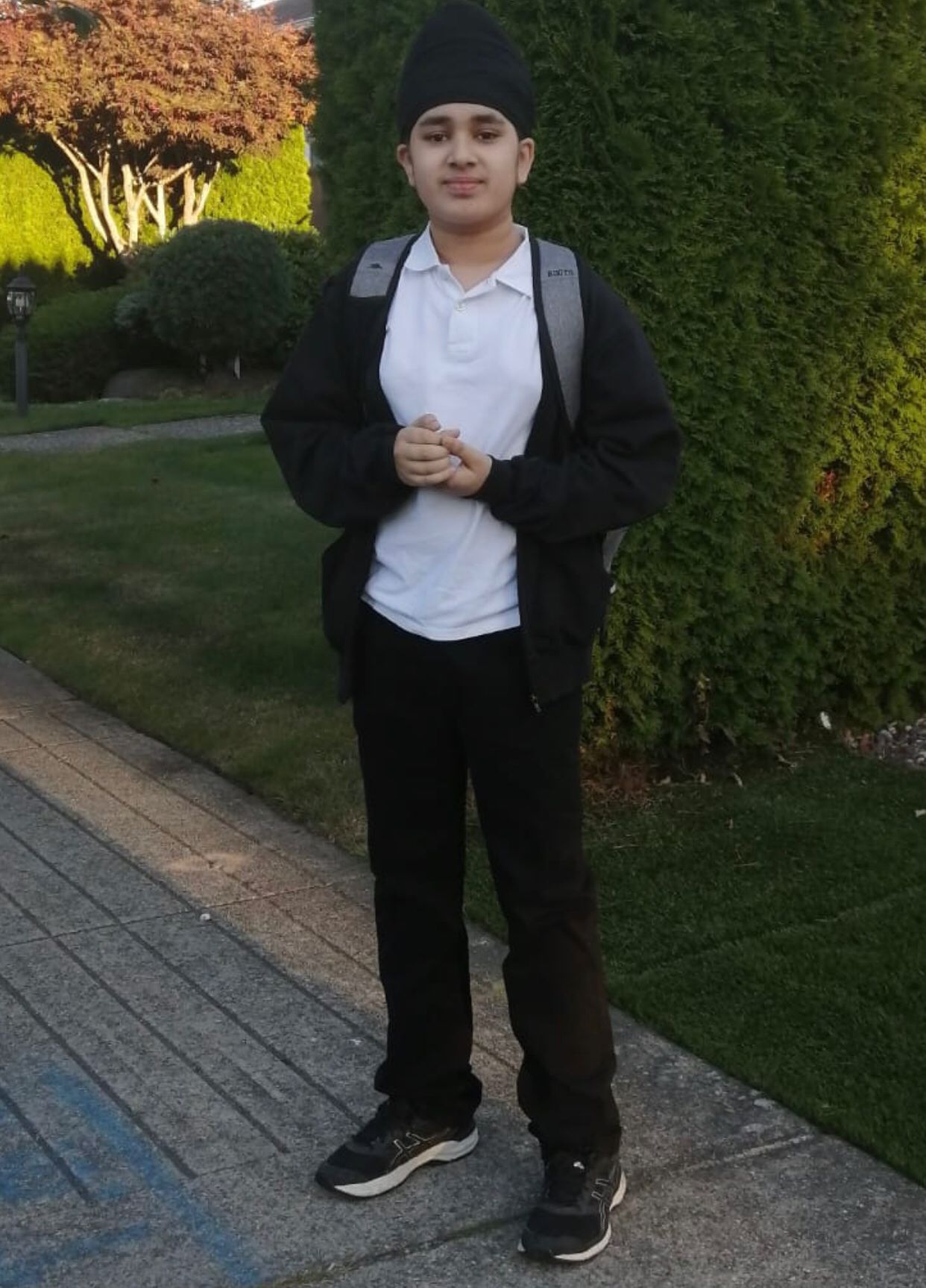
Teghbir Singh ਤੇਗਬੀਰ ਸਿੰਘ
KOR student ਕੋਰ ਵਿਦਿਆਰਥੀ
“My Son Chetanbir Singh has been learning from KOR INSTITUTE OF MUSIC for the last 2 years. I liked many things about this institute — the professionalism, knowledge of teachers, the love for the music and teaching can be seen in KOR INSTITUTE of Music. I see my son growing in confidence in music abilities. I couldn't get better than KOR INSTITUTE of Music.” “ਮੇਰਾ ਪੁੱਤਰ ਚੇਤਨਬੀਰ ਸਿੰਘ ਪਿਛਲੇ ੨ ਸਾਲ ਤੋਂ ਕੋਰ ਇੰਸਟੀਚਿਊਟ ਆਫ਼ ਮਿਊਜ਼ਿਕ ਤੋਂ ਸਿੱਖ ਰਿਹਾ ਹੈ। ਮੈਨੂੰ ਇਸ ਇੰਸਟੀਚਿਊਟ ਦੀਆਂ ਬਹੁਤ ਸਾਰੀਆਂ ਚੀਜ਼ਾਂ ਪਸੰਦ ਆਈਆਂ — ਅਧਿਆਪਕਾਂ ਦੀ ਪੇਸ਼ੇਵਰਤਾ, ਗਿਆਨ, ਸੰਗੀਤ ਅਤੇ ਸਿਖਲਾਈ ਲਈ ਪਿਆਰ ਸਾਫ਼ ਦਿਸਦਾ ਹੈ। ਮੈਂ ਆਪਣੇ ਪੁੱਤਰ ਨੂੰ ਸੰਗੀਤ ਦੀਆਂ ਯੋਗਤਾਵਾਂ ਵਿੱਚ ਵਿਸ਼ਵਾਸ ਨਾਲ ਵਧਦਿਆਂ ਵੇਖਦਾ ਹਾਂ। ਕੋਰ ਇੰਸਟੀਚਿਊਟ ਆਫ਼ ਮਿਊਜ਼ਿਕ ਤੋਂ ਵਧੀਆ ਕੁਝ ਨਹੀਂ ਮਿਲ ਸਕਦਾ।”
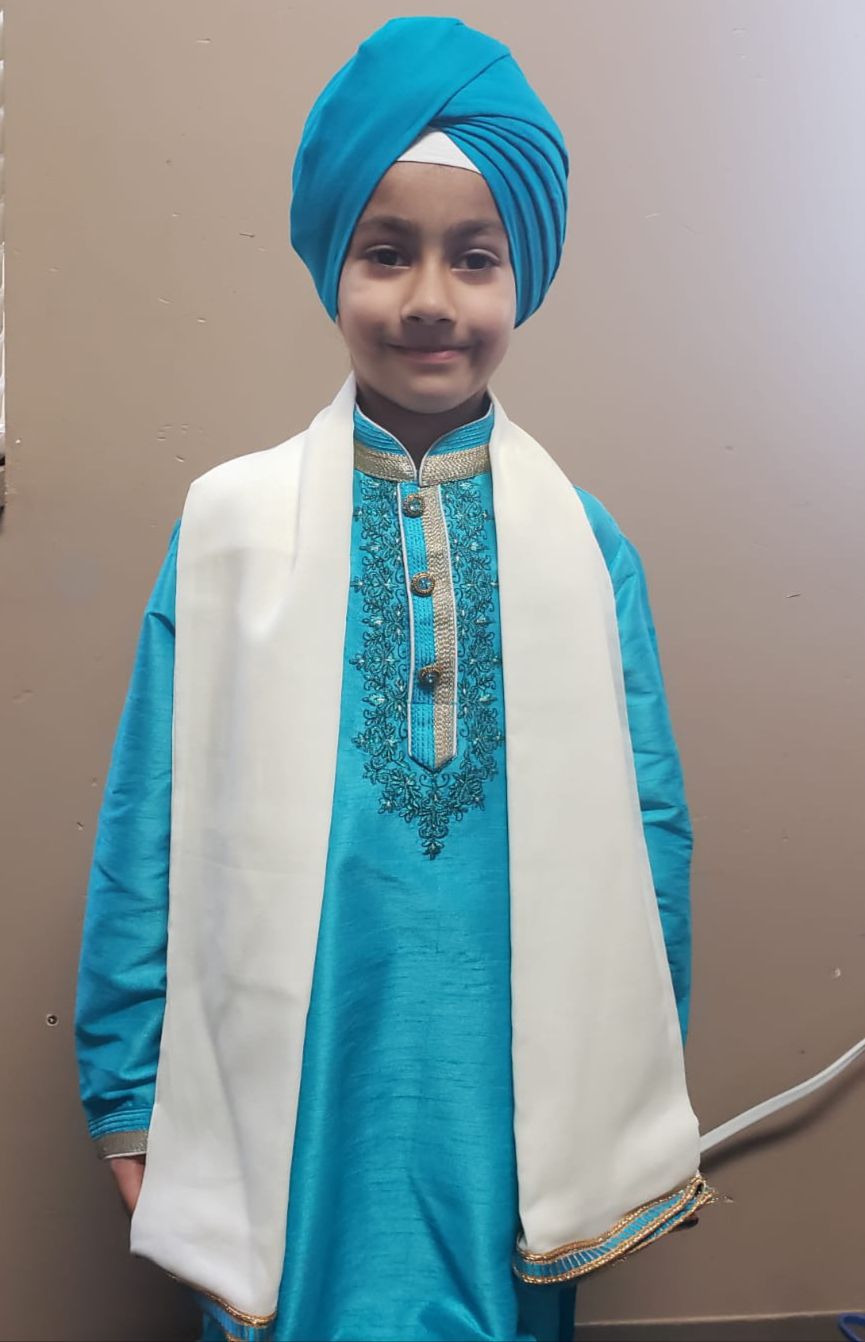
Chetanbir Singh ਚੇਤਨਬੀਰ ਸਿੰਘ
KOR student ਕੋਰ ਵਿਦਿਆਰਥੀ
“What can I say? Learning from Kor Institute of Music is not just a class, it is time in heaven. The mood of the class is great. I wish classes never end. I feel blessed to be part of Kor Institute of Music. Other than music, I learned how to be a better person and I found new talents. The teachers are very friendly and they are great to interact with even out of classes. I hope this institute continues to shine and train students to become prominent musicians. THANKS FOR EVERYTHING!” “ਕੀ ਕਹਿਣਾ ਚਾਹੀਦਾ ਹੈ? ਕੋਰ ਇੰਸਟੀਚਿਊਟ ਆਫ਼ ਮਿਊਜ਼ਿਕ ਤੋਂ ਸਿੱਖਣਾ ਸਿਰਫ਼ ਇੱਕ ਕਲਾਸ ਨਹੀਂ ਹੈ, ਇਹ ਸਵਰਗ ਵਿੱਚ ਸਮਾਂ ਹੈ। ਕਲਾਸ ਦਾ ਮਾਹੌਲ ਵਧੀਆ ਹੈ। ਮੈਂ ਚਾਹੁੰਦਾ ਹਾਂ ਕਿ ਕਲਾਸਾਂ ਕਦੇ ਖਤਮ ਨਾ ਹੋਣ। ਮੈਂ ਕੋਰ ਇੰਸਟੀਚਿਊਟ ਆਫ਼ ਮਿਊਜ਼ਿਕ ਦਾ ਹਿੱਸਾ ਬਣ ਕੇ ਧੰਨਵਾਦੀ ਹਾਂ। ਸੰਗੀਤ ਤੋਂ ਇਲਾਵਾ, ਮੈਂ ਸਿੱਖਿਆ ਕਿ ਇੱਕ ਬਿਹਤਰ ਇਨਸਾਨ ਕਿਵੇਂ ਬਣਿਆ ਜਾਂਦਾ ਹੈ ਅਤੇ ਮੈਨੂੰ ਨਵੀਆਂ ਯੋਗਤਾਵਾਂ ਮਿਲੀਆਂ।”
Angad Singh Purba ਅੰਗਦ ਸਿੰਘ ਪੁਰਬਾ
KOR student ਕੋਰ ਵਿਦਿਆਰਥੀ
“At Kor Institute, I have had a wonderful experience learning kirtan, meeting others, and connecting with Gurbani. It's been a year for me at Kor Institute and working with the teacher was awesome. All the kirtan I have learnt here is so blissful. I wish these classes never end. This feels like I am a part of a new family! THANKS FOR EVERYTHING!” “ਕੋਰ ਇੰਸਟੀਚਿਊਟ ਵਿੱਚ, ਮੈਨੂੰ ਕੀਰਤਨ ਸਿੱਖਣ, ਦੂਜਿਆਂ ਨੂੰ ਮਿਲਣ, ਅਤੇ ਗੁਰਬਾਣੀ ਨਾਲ ਜੁੜਨ ਦਾ ਸੁਹਾਵਣਾ ਅਨੁਭਵ ਹੋਇਆ ਹੈ। ਮੈਂ ਕੋਰ ਇੰਸਟੀਚਿਊਟ ਵਿੱਚ ਇੱਕ ਸਾਲ ਹਾਂ ਅਤੇ ਅਧਿਆਪਕ ਨਾਲ ਕੰਮ ਕਰਨਾ ਸ਼ਾਨਦਾਰ ਸੀ। ਮੈਂ ਜੋ ਕੀਰਤਨ ਸਿੱਖੇ ਹਨ ਉਹ ਬਹੁਤ ਅਨੰਦਮਈ ਹਨ। ਮੈਂ ਚਾਹੁੰਦੀ ਹਾਂ ਕਿ ਇਹ ਕਲਾਸਾਂ ਕਦੇ ਖਤਮ ਨਾ ਹੋਣ। ਮਹਿਸੂਸ ਹੁੰਦਾ ਹੈ ਜਿਵੇਂ ਮੈਂ ਇੱਕ ਨਵੇਂ ਪਰਿਵਾਰ ਦਾ ਹਿੱਸਾ ਹਾਂ!”

Tudhmeet Kaur ਤੁਧਮੀਤ ਕੌਰ
KOR student ਕੋਰ ਵਿਦਿਆਰਥੀ
Four tracks. Twenty-five years. No overdubs. ਚਾਰ ਟ੍ਰੈਕ। ਪੰਚੀਹ ਸਾਲ। ਕੋਈ ਡੱਬ ਨਹੀਂ।
Listen to the school. ਸਕੂਲ ਨੂੰ ਸੁਣੋ।
-
Acoustic Jam Session Acoustic Jam Session
Unplugged ensemble work — KOR musicians in flow. ਕੋਰ ਇੰਸਟੀਚਿਊਟ ਆਫ਼ ਮਿਊਜ਼ਿਕ ਤੋਂ ਲਾਈਵ ਰਿਕਾਰਡਿੰਗ।
-
Ek Kadam — The Rhythm of Humanity Ek Kadam — The Rhythm of Humanity
"One step" — rhythm as service, as prayer. ਕੋਰ ਇੰਸਟੀਚਿਊਟ ਆਫ਼ ਮਿਊਜ਼ਿਕ ਤੋਂ ਲਾਈਵ ਰਿਕਾਰਡਿੰਗ।
-
G N F Sound Effect G N F Sound Effect
A sound design piece from the KOR studio. ਕੋਰ ਇੰਸਟੀਚਿਊਟ ਆਫ਼ ਮਿਊਜ਼ਿਕ ਤੋਂ ਲਾਈਵ ਰਿਕਾਰਡਿੰਗ।
-
Here Comes Gurmeet Kaur Here Comes Gurmeet Kaur
A signature piece — Gurmeet Kaur in performance. ਕੋਰ ਇੰਸਟੀਚਿਊਟ ਆਫ਼ ਮਿਊਜ਼ਿਕ ਤੋਂ ਲਾਈਵ ਰਿਕਾਰਡਿੰਗ।
The first kirtan waits. ਪਹਿਲਾ ਕੀਰਤਨ ਉਡੀਕ ਰਿਹਾ ਹੈ।